Called to Care: Why Scotland Health's Chief CRNA answered the call to be a Nurse Anesthetist
Print This Page

|
- October 01, 2025 | News Category: Hospital News
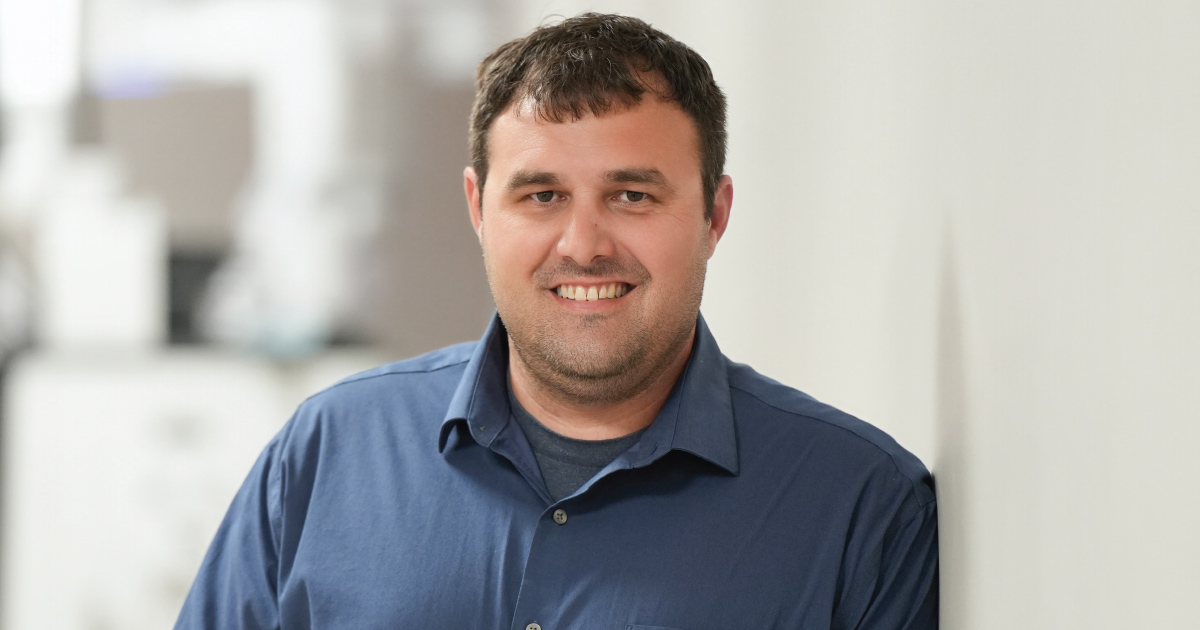
When patients drift off to sleep before surgery at Scotland Health, they're placing their trust in the skilled hands of Certified Registered Nurse Anesthetists (CRNAs) – highly trained professionals who ensure safety, comfort, and care from the first breath of anesthesia to the final moments in recovery. Among them is Ryan Smith, Chief CRNA, whose dedication to both his profession and his community runs deep.
Ryan has been a CRNA since December 2011, and he began working at Scotland Health in 2012. After a brief stint away, he returned in 2022 to take on the role of Chief CRNA, a position he's held for the past three years. But his leadership extends beyond titles – Ryan is also a staff CRNA, often taking on more than 75 call shifts annually, filling in for colleagues, and ensuring seamless care across departments.
What is a CRNA?
CRNAs are advanced practice providers who deliver anesthesia care in a wide range of clinical settings. At Scotland Health, they are the primary faces patients see in the operating room. While anesthesiologists may consult with patients preoperatively, CRNAs are the ones who stay with patients throughout the procedure administering anesthesia, monitoring vital signs, and ensuring a safe and smooth experience.
“We do everything the anesthesiologists do,” Ryan explains. “We’re with you 100% of the time. We start with you, stay with you, and treat you like family for the limited time we're with you."
CRNAs at Scotland Health cover a broad spectrum of services from obstetrics and endoscopy to trauma and emergency care. They're also called upon in the nursery, ICU, and ER, often stepping in to assist with critical procedures like IV access or airway management.
A Calling Rooted in Care
Ryan's path to anesthesia began in South Mississippi, where he was inspired by a CRNA he met through his mother's work at a urologist's office. "I always knew I wanted to go into the medical field," he says. "The CRNA route appealed to me more than medical school.”
Ryan was in Mississippi when Hurricane Katrina hit in August of 2005 which devastated many nearby areas, slightly delaying his plans. Ryan enrolled in nursing school in January 2006, later attending the University of South Alabama and completing his anesthesia training through Texas Wesleyan University. His early career included time at a Level 1 trauma center, where he honed his skills in high-pressure surgical environments.
Outside the hospital, Ryan is a proud father of three. His oldest daughter is a nurse with aspirations to follow in his footsteps and become a CRNA. His two younger children attend school locally, and he has lived in Scotland County since 2014.
A passionate outdoorsman, he enjoys fishing, hunting, and traveling especially when it brings him closer to the water.
He's also deeply involved in the community, having coached several local baseball, basketball, and softball teams. "I love playing sports with my kids," he shares. "It's a great way to stay connected and give back."
More Than Meets The Eye
Despite their critical role, CRNAs often work behind the scenes. Ryan emphasizes that one of the biggest misconceptions is that CRNAs are "just nurses." In reality, they are highly trained, autonomous providers who often deliver care independently, especially in rural or underserved areas where anesthesiologists may not be present.
"There's a lot of little things anesthesia does that go unnoticed," Ryan says. “From setting up operating rooms and reviewing patient histories to ensuring staff get breaks and maintaining efficiency in the OR, CRNAs are integral to the daily rhythm of hospital life.”
One of the most common concerns patients express before surgery is the fear of not waking up from anesthesia. Ryan and his team understand this anxiety and take it seriously.
"Anesthesia today is incredibly safe," Ryan reassures. "We monitor patients continuously, adjust medications in real time, and are trained to respond to any situation. Our goal is always to keep patients safe and comfortable from the moment they go to sleep to the moment they wake ир."
Ryan jokes with patients, "Don't worry. I get paid to wake you up," but his work is no laughing matter. It's a blend of precision, compassion, and vigilance--qualities that define the CRNA profession and make Ryan a trusted part of the team at Scotland Health.
About Scotland Health
Patient Links
For Employees
Partnerships

Accreditations