Scotland Memorial Hospital Launches Meds to Beds Program to Support Safer, Smoother Patient Discharges
Print This Page

|
- March 10, 2026 | News Category: Hospital News
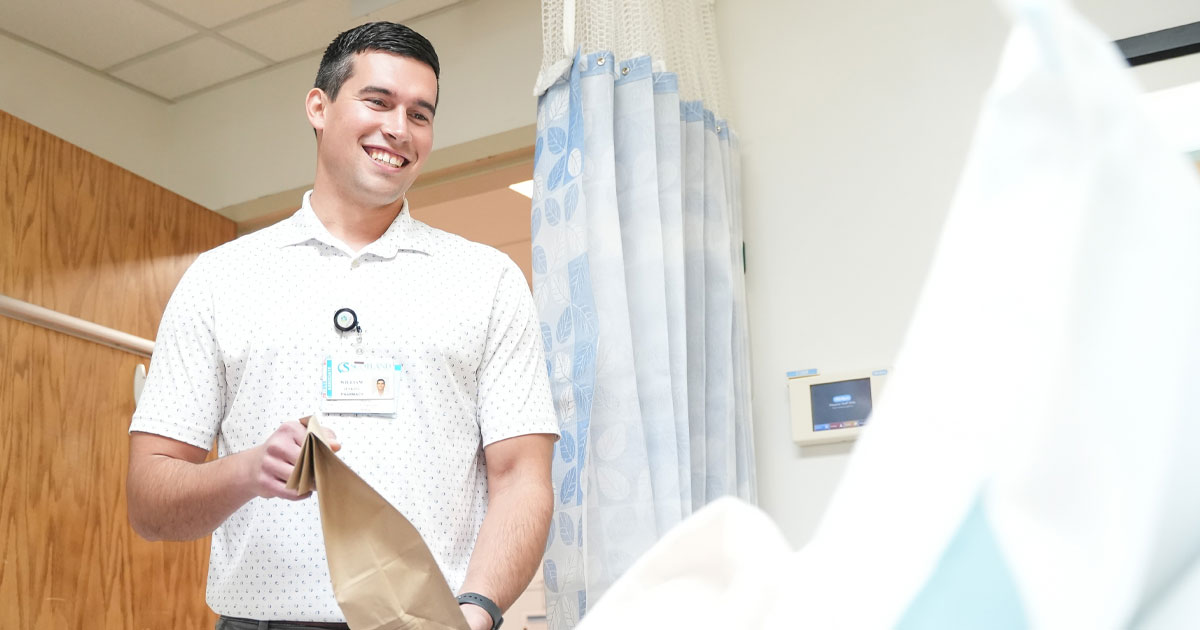
Scotland Memorial Hospital is committed to ensuring patients experience a smooth, safe, and stress‑free transition from hospital to home. As part of this commitment, the hospital has launched its new Meds to Beds Program, a bedside medication delivery service designed to streamline the discharge process and support better patient outcomes.
The Meds to Beds Program provides patients with their prescribed medications before they leave the hospital—eliminating the need to stop at a pharmacy on the way home and helping patients begin their treatment plan right away.
“Our goal is to remove barriers to recovery,” said William Jenkins, PharmD, Clinical Pharmacist at Scotland Memorial Hospital. “When patients leave the hospital with medications already in hand, they can begin treatment sooner, avoid unnecessary delays, and feel more confident about their next steps toward healing. Meds to Beds ensures that patients receive not only their prescriptions, but also the support and guidance they need as they transition home.”
Key Benefits of the Meds to Beds Program include:
- • Convenient bedside delivery of discharge medications
- • No additional pharmacy visits required after leaving the hospital
- • Insurance claims processed similarly to a traditional retail pharmacy
- • Access to ongoing pharmacy support following discharge
Scotland Memorial Hospital’s experienced inpatient pharmacy team works closely with providers, nurses, and case managers to review each patient’s discharge medication plan. Prescriptions are processed through the patient’s insurance as they would be at a retail pharmacy, then delivered directly to the patient’s room prior to discharge.
For ongoing medication needs, patients may continue to work with their preferred pharmacy providers for refills and maintenance medications, supporting continuity of care after discharge.
“Our priority is providing a safe and successful discharge,” Jenkins added. “This program is another way we are ensuring that every patient receives high‑quality, compassionate care—inside the hospital and beyond.”
Jenkins shared an example of how the service has made a meaningful difference for patients. A recent patient was admitted to Scotland Memorial Hospital following a stroke and was newly diagnosed with type 2 diabetes and hypertension, requiring several new medications at discharge.
Through close collaboration among the pharmacy team, providers, and case management, her medications were filled and delivered directly to her bedside before discharge. Because she did not have insurance, funding through the Scotland Memorial Foundation covered the cost of her prescriptions. Prior to leaving the hospital, the pharmacist offered comprehensive medication counseling, diabetes education, and guidance on using her glucose monitor. The patient expressed heartfelt appreciation for the support and education she received.
At her one‑month follow‑up, the patient reported improved blood pressure and blood glucose levels and remained adherent to her medications and recommended follow‑up care.
Stories like hers demonstrate the meaningful impact of the Meds to Beds Program. When patients leave the hospital with multiple new medications, the program helps ensure a smoother, safer transition home and is consistently valued by patients.
Scotland Memorial Hospital remains committed to supporting patient health and well‑being both during hospitalization and throughout recovery at home.
About Scotland Health
Patient Links
For Employees
Partnerships

Accreditations